

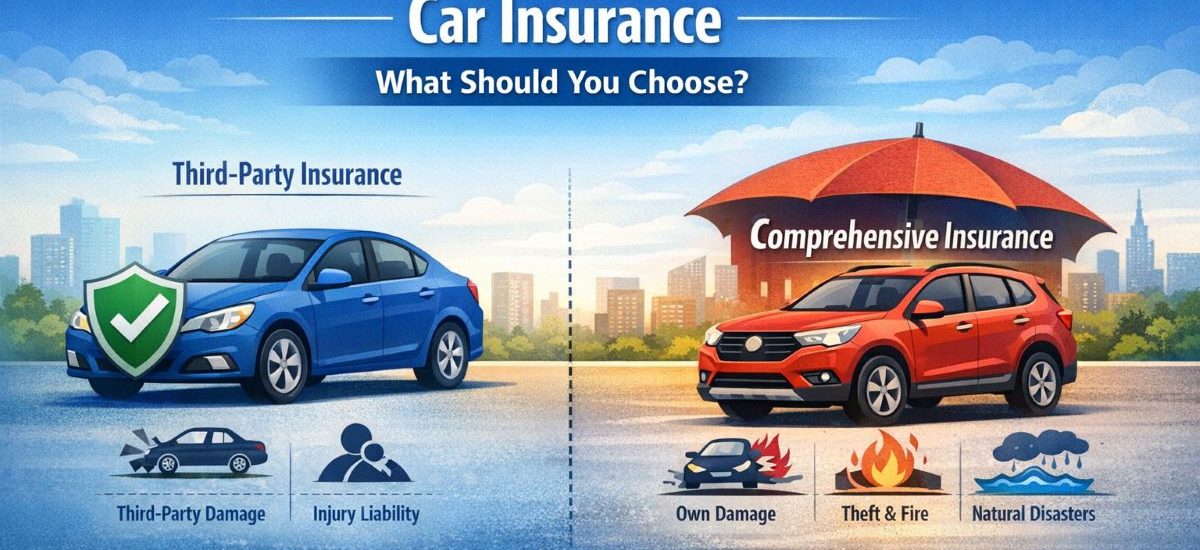
When it comes to protecting your car, choosing the right insurance policy isn’t just about ticking a box—it’s about safeguarding your finances, peace of mind, and future. At ProInsurePlus, we believe that understanding the difference between third-party insurance and comprehensive insurance is the first step toward making a smart decision.
🚗 What is Third-Party Car Insurance?
Third-party insurance is the most basic coverage required by law in India. It protects you against:
- Liability for damages caused to another person’s vehicle or property.
- Medical expenses or compensation if someone else is injured in an accident involving your car.
👉 However, it does not cover damages to your own vehicle. Think of it as a legal safety net—essential, but limited.
🛡️ What is Comprehensive Car Insurance?
Comprehensive insurance goes beyond the legal minimum. It covers:
- Third-party liabilities (like the basic plan).
- Own damage protection for your car in case of accidents, theft, fire, or natural disasters.
- Optional add-ons such as zero-depreciation cover, roadside assistance, or engine protection.
👉 In short, it’s a full shield for both you and your vehicle.
⚖️ Key Differences at a Glance
|
Aspect |
Third-Party Insurance |
Comprehensive Insurance |
|
Coverage |
Only third-party damages |
Third-party + own vehicle damages |
|
Legal Requirement |
Mandatory |
Optional but highly recommended |
|
Premium Cost |
Lower |
Higher (due to wider coverage) |
|
Financial Protection |
Limited |
Extensive |
|
Add-ons |
Not available |
Multiple customization options |
💡 Which One Should You Choose?
- Choose Third-Party Insurance if… You own an older car with low market value and want to meet the legal requirement at minimal cost.
- Choose Comprehensive Insurance if… You own a new or high-value car, drive frequently, or simply want peace of mind knowing both you and your vehicle are fully protected.
At ProInsurePlus, we recommend comprehensive coverage for most drivers—it’s an investment in security that pays off when the unexpected happens.
🔑 Final Takeaway
Car insurance isn’t just about compliance—it’s about confidence. While third-party insurance keeps you legally covered, comprehensive insurance ensures you’re financially protected against life’s uncertainties.
With ProInsurePlus, you don’t just buy a policy—you gain a partner committed to keeping you safe on the road.
Would you like me to also craft SEO‑friendly meta descriptions and keyword clusters (like “car insurance India,” “third-party vs comprehensive,” “best car insurance plans”) so this blog ranks higher on search engines?
yes
Perfect! Here’s a set of SEO‑friendly meta descriptions, keyword clusters, and title suggestions to help your blog on Third-Party vs Comprehensive Car Insurance rank higher for ProInsurePlus:
🔑 Meta Description (SEO Optimized)
- “Confused between third-party and comprehensive car insurance? Discover the differences, benefits, and which plan suits your needs with ProInsurePlus.”
- “Learn whether third-party or comprehensive car insurance is right for you. ProInsurePlus explains coverage, costs, and smart choices for drivers.”
👉 Keep meta descriptions under 160 characters for best search engine visibility.
📌 Keyword Clusters
Here are keyword groups you can naturally weave into the blog for stronger SEO:
Primary Keywords (High Intent):
- third-party car insurance
- comprehensive car insurance
- car insurance comparison
- best car insurance plans India
Secondary Keywords (Supportive Context):
- car insurance coverage types
- affordable car insurance
- own damage protection
- car insurance add-ons
Long-Tail Keywords (Targeted Search):
- difference between third-party and comprehensive car insurance
- should I buy comprehensive car insurance for a new car
- cheapest third-party car insurance India
- benefits of comprehensive car insurance
🏷️ Suggested SEO Titles
- “Third-Party vs Comprehensive Car Insurance: Which Plan Fits Your Needs?”
- “Car Insurance Explained: Third-Party vs Comprehensive Coverage”
- “Choosing Between Third-Party and Comprehensive Car Insurance with ProInsurePlus”
📈 On-Page SEO Tips
- Use H2 and H3 headings with keywords (e.g., “Benefits of Comprehensive Car Insurance”).
- Add internal links to ProInsurePlus service pages.
- Include a FAQ section at the end (e.g., “Is third-party insurance enough for my car?”).
- Optimize images with alt text like “Car insurance comparison chart.”
Would you like me to also draft a FAQ section with keyword-rich Q&As (great for Google’s featured snippets) to add at the end of your blog?
This blog should be 1000 words
Here’s a 1000‑word SEO‑optimized blog draft for ProInsurePlus on Third-Party vs Comprehensive Car Insurance. It’s written in a natural, human‑toned style, structured for readability, and infused with keyword clusters for ranking power.
Third-Party vs Comprehensive Car Insurance: What Should You Choose?
Car insurance isn’t just a legal requirement—it’s a financial safety net that protects you from unexpected expenses and gives you peace of mind on the road. Yet, many drivers struggle with one big question: Should I choose third-party insurance or comprehensive insurance?
At ProInsurePlus, we believe clarity is power. Let’s break down the differences, benefits, and practical scenarios so you can make the right choice for your car and lifestyle.
🚗 Understanding Third-Party Car Insurance
Third-party insurance is the most basic form of car insurance and is mandatory under Indian law. It ensures that if your vehicle causes damage to another person’s property or injures someone, the expenses are covered.
What It Covers:
- Property damage to another person’s vehicle or assets.
- Medical expenses or compensation for injuries to third parties.
- Legal liabilities arising from accidents involving your car.
What It Doesn’t Cover:
- Damage to your own car.
- Theft, fire, or natural disaster losses.
- Personal accident cover (unless purchased separately).
👉 Think of third-party insurance as a legal shield—it keeps you compliant but doesn’t protect your own vehicle.
🛡️ Understanding Comprehensive Car Insurance
Comprehensive insurance, as the name suggests, offers complete protection. It includes third-party coverage but also extends to your own car and personal safety.
What It Covers:
- Third-party liabilities (same as basic insurance).
- Own damage protection for your car in case of accidents, theft, fire, or natural calamities.
- Personal accident cover for the owner-driver.
- Optional add-ons like zero-depreciation cover, roadside assistance, engine protection, or consumables cover.
👉 Comprehensive insurance is like a full shield—it protects both you and your car against most risks.
⚖️ Key Differences at a Glance
|
Aspect |
Third-Party Insurance |
Comprehensive Insurance |
|
Coverage |
Only third-party damages |
Third-party + own vehicle damages |
|
Legal Requirement |
Mandatory |
Optional but highly recommended |
|
Premium Cost |
Lower |
Higher (due to wider coverage) |
|
Financial Protection |
Limited |
Extensive |
|
Add-ons |
Not available |
Multiple customization options |
💡 Which One Should You Choose?
The choice depends on your car’s age, value, and your driving habits.
Choose Third-Party Insurance if:
- You own an older car with low resale value.
- You rarely drive and want the cheapest legal option.
- You’re looking for minimal compliance rather than full protection.
Choose Comprehensive Insurance if:
- You own a new or high-value car.
- You drive frequently in high-traffic areas.
- You want peace of mind knowing both you and your vehicle are protected.
- You want flexibility with add-ons tailored to your lifestyle.
At ProInsurePlus, we recommend comprehensive coverage for most drivers—it’s an investment in security that pays off when the unexpected happens.
🔍 Cost vs Value: Why Premiums Differ
One of the biggest reasons people hesitate to buy comprehensive insurance is the higher premium. But here’s the truth:
- Third-party insurance may save you money upfront, but it leaves you exposed to costly repairs or replacements.
- Comprehensive insurance costs more annually, but it can save you lakhs in case of accidents, theft, or natural disasters.